News
2026-03-07

In 2025, the US smart glasses market is estimated at roughly $2.4–2.7 billion. Shipment growth and AI-enabled models are driving forecasts of double-digit CAGR into the late 2020s. This synthesis breaks down the critical hardware tradeoffs and demand signals shaping the next generation of wearables.
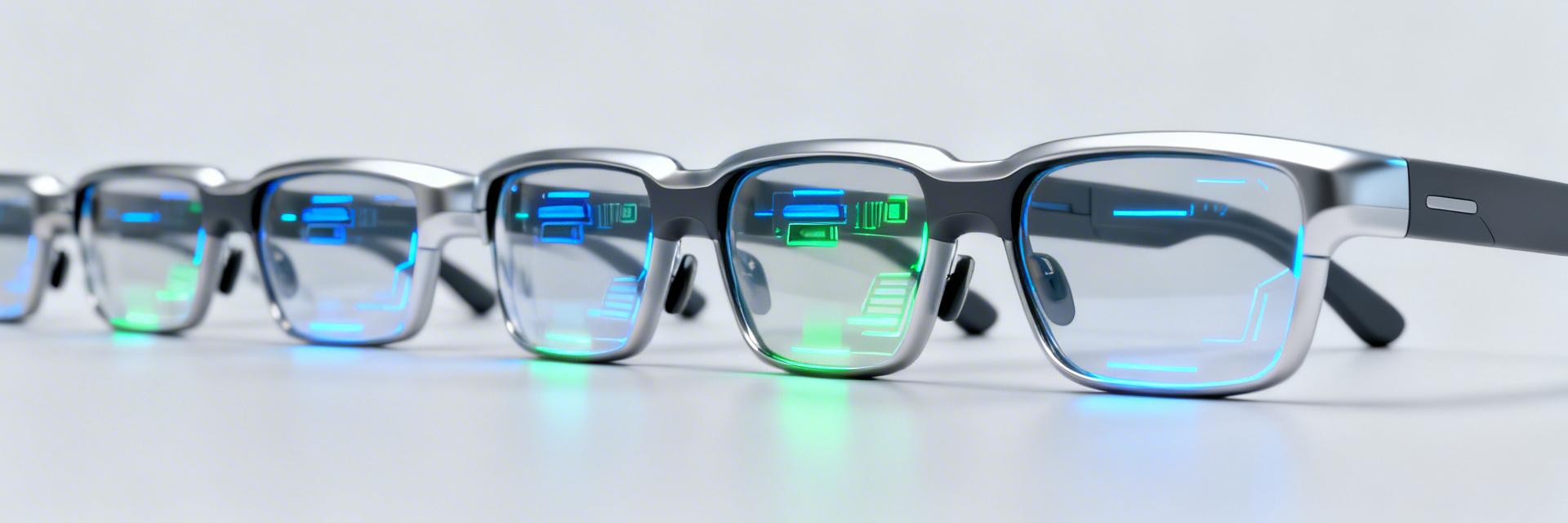
Market value is concentrated in two poles: Consumer Lifestyle (60% unit share) and Enterprise/Industrial Systems (Higher Revenue/ASP). While consumer models focus on fashion and notifications, enterprise models prioritize ruggedness and high-fidelity AR overlays.
| Feature | Consumer (Lifestyle) | Enterprise (Industrial) |
|---|---|---|
| Display Tech | Audio-only or Micro-LED (Low FOV) | Waveguide / Micro-OLED (High FOV) |
| Battery Life | 12-16 hours (Intermittent use) | 8 hours (Full shift with hot-swap) |
| Processing | Smartphone Tethered / Edge AI | On-board High Performance / Active Cooling |
| Cost (ASP) | $299 - $599 | $1,500 - $3,500+ |
"The biggest pitfall I see in smart glasses development is ignoring the Thermal-to-Weight ratio. Engineers often chase high FOV but forget that a device exceeding 75g or reaching 40°C on the temple will be rejected by users within 20 minutes. For PCB layouts, always isolate the SoC from the battery to prevent compound heating."
Scenario: A field technician uses AR HUD to see real-time pressure data overlaid on a physical valve.
Demand is driven by "invisible tech"—devices that look like Ray-Bans but offer audio and AI. Success is measured by conversion rates and low return rates linked to fashion acceptability.
Durability (IP rating), battery swappability, and reliable connectivity. Enterprises prioritize TCO (Total Cost of Ownership) over initial purchase price.
SEO Keywords: Smart Glasses, Hardware Trends, AR Demand, US Wearable Market 2025
© 2024 Market Insights. Technical Specification Analysis for Professional Use.




{{ boxName }} ({{ dataList?.length || 0 }} Items)
{{ val.manufacturer || val.en_manufacturer || '' }}
auto.lang_Quantity: {{ val.quantity }}
auto.lang_null